The Boundary Between OEM and ODM
Clarify OEM versus ODM at first contact. OEM means the customer supplies complete product definition, the factory builds to drawing, and the customer owns the ID and patents, with high NRE but strong differentiation. ODM uses the factory's proven platform with color, logo, and packaging customization, low NRE, and fast launch.
| Dimension | OEM | ODM |
|---|---|---|
| Design and IP | Customer | Factory, buyout negotiable |
| NRE | High, tooling and structure | Low, color and packaging |
| Timeline | 16-28 weeks | 4-10 weeks |
| MOQ | 1,000-5,000 units | 500-2,000 units |
The RFQ Stage: Specification Checklist
RFQ quality decides quote accuracy. Provide eight items: product definition with form factor and users; acoustic specs with driver size, response tolerance of plus or minus 3 dB, THD, and maximum SPL; the audio chain with Bluetooth version, codecs, latency, and mics; battery and charging goals; structural specs with materials, finishes, and IP rating; certifications and packaging with target markets; commercial terms with price, volume, and lead time; and quality standards such as AQL II with CR 0, MA 0.65, MI 1.5.
ID/MD Design and Prototype Verification
ID runs 2-3 weeks and yields 2-3 appearance directions with CMF proposals, reviewed for render appeal and ergonomics. MD runs 3-5 weeks for stacking PCBA, battery, driver, and antenna with DFM feedback, where wall thickness of 1.2-2.0 mm, ultrasonic energy directors for waterproof models, and antenna keep-out zones are decided. Prototyping in 3-7 days verifies looks and assembly, while acoustic prototyping needs production-like cavities with real drivers, accepting plus or minus 3-5 dB before DVT tuning.
EVT, DVT, and PVT Verification
EVT uses 20-50 units on soft tooling to expose flaws cheaply: function, electronics, first acoustic tuning, and assembly. DVT uses 50-200 production-tooled units for the full reliability matrix and certifications: temperature cycling from -20 to 60 degrees Celsius, 93 percent humidity, salt spray, six-face drops, button life, and acoustic consistency with CPK at or above 1.33. PVT runs 200-500 units on the real line to prove tooling, yield, and work instructions, targeting 95 percent at exit.
Tooling Development, Cost, and Timeline
Tooling is the largest NRE line. A simple plastic part runs 20,000-50,000 RMB in 6-8 weeks, slider parts 50,000-120,000 in 8-12 weeks, a full TWS program 150,000-350,000 in 10-14 weeks, and smart glasses frames 250,000-600,000. Cavity count, steel grade, and lifetimes of 300,000 to 1,000,000 shots drive price. Contracts must state ownership: customer-funded tools move freely, factory-funded tools amortize against volume.
Mass Production Ramp and First Delivery
From PO to first shipment, consumer audio runs 45-75 days, with bottlenecks in long-lead items: Bluetooth SoCs at 8-16 weeks, custom drivers at 5-8 weeks with tuning, cells at 4-6 weeks, and structural parts after tooling. Ramping starts at 200-500 units on day one and reaches 1,000-2,000 daily within a week. Shipments need UN38.3 summaries, MSDS, and transport identification, with batteries below 30 percent charge per IATA.
Why Choose Aurora Sound
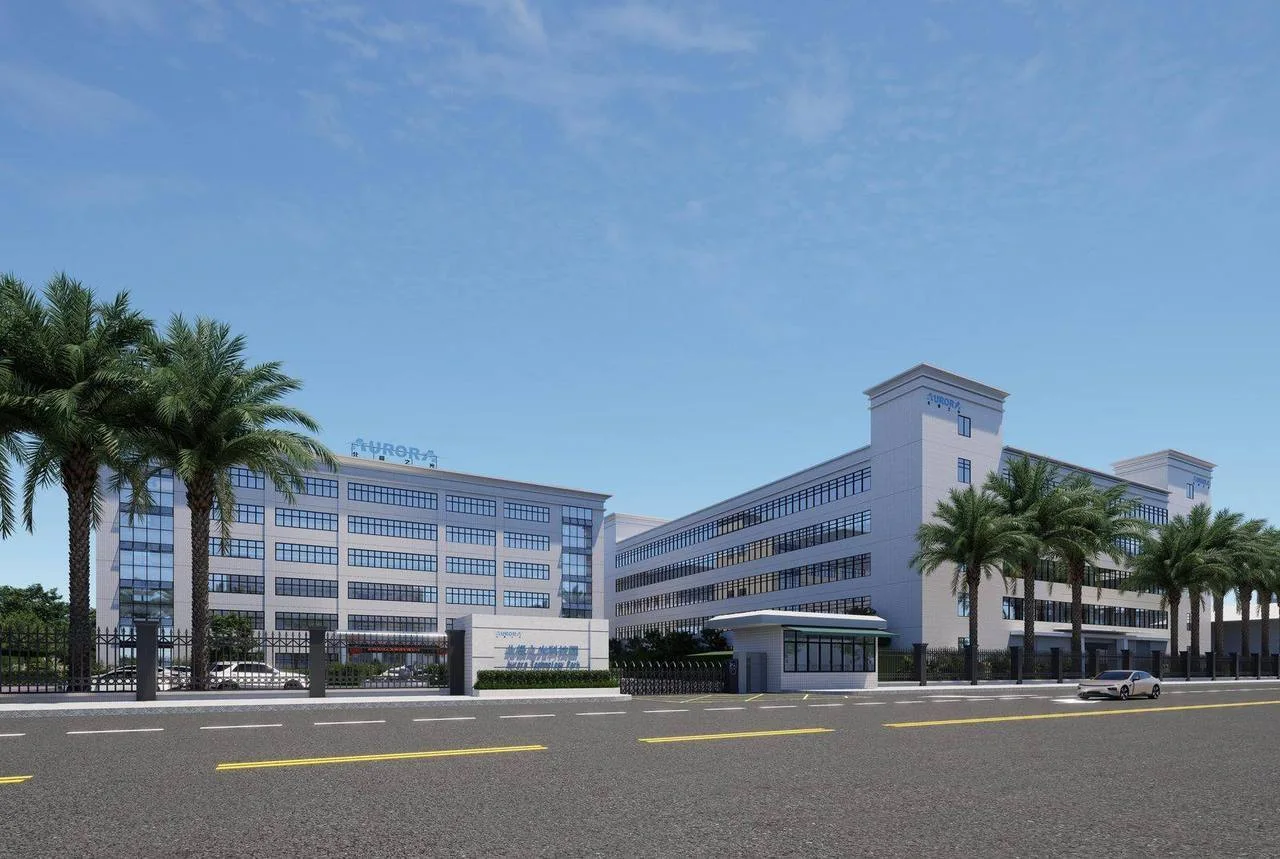
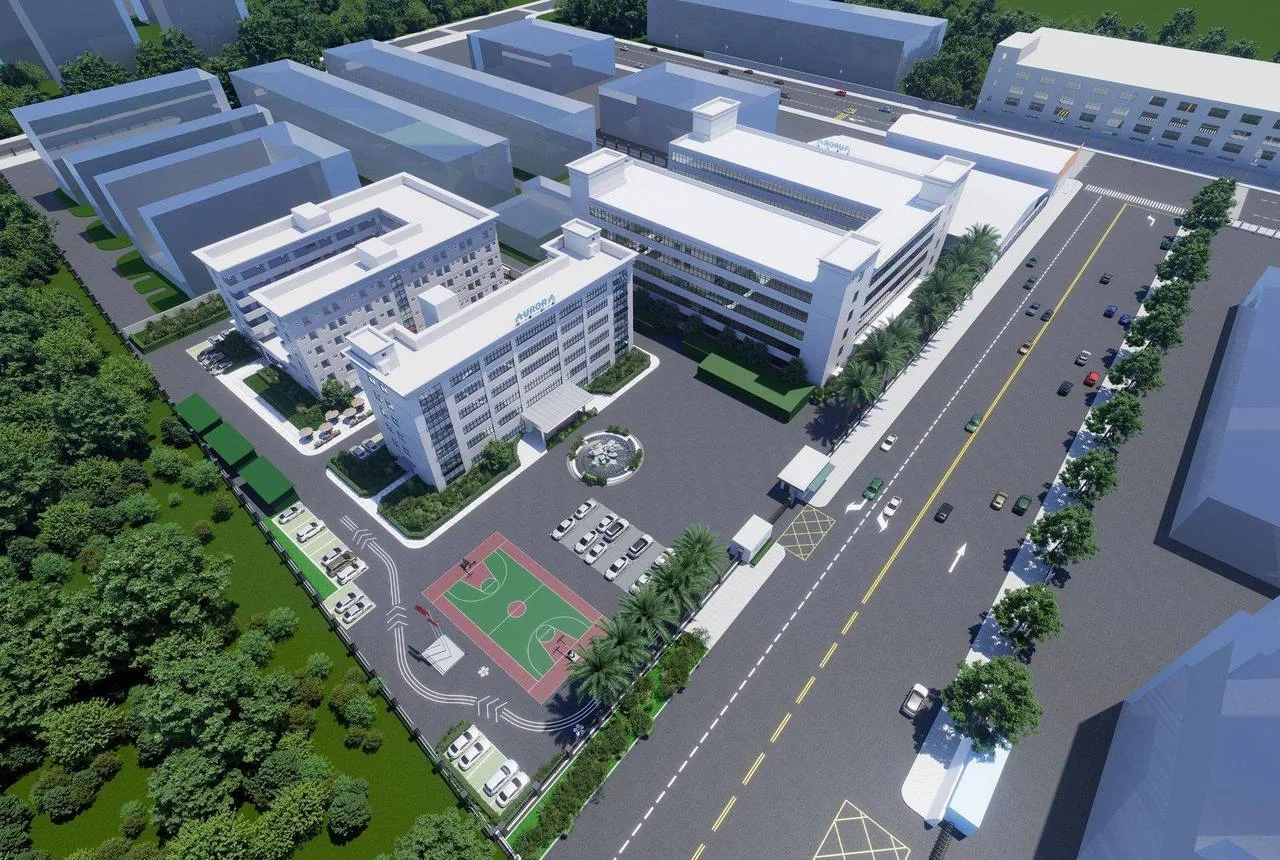
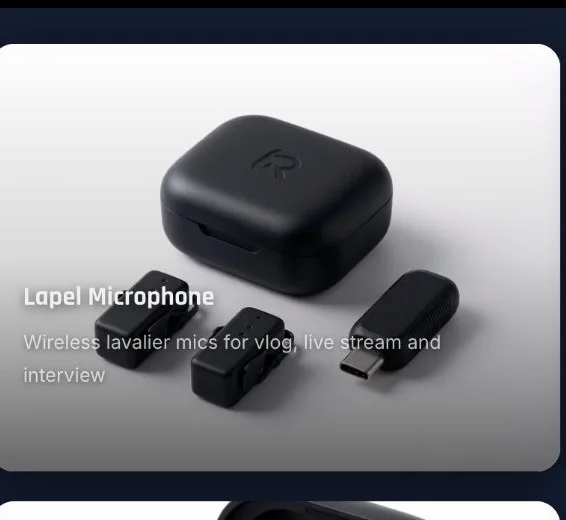
Aurora Sound is a Shenzhen source factory covering smart audio glasses, wireless lavalier microphones, under-pillow speakers, amplifiers, karaoke, open-ear headphones, and TWS. The chain from acoustic design and MD to tooling and assembly runs in-house, Shenzhen's component radius shortens urgent orders, and dedicated teams carry OEM and ODM programs through EVT, DVT, and PVT with certification per market.