Telling a Source Factory from a Trading Company
The first hurdle sourcing in China is not price but distinguishing a source factory from a trading company, whose gaps in quote transparency, engineering response, and failure analysis surface months into production. Verify engineering-wise: licenses listing manufacturing with matching addresses, equipment lists naming SMT lines, placement machines, and audio analyzers, clear answers on who owns the PCBA schematics and tooling, and failure analysis in 24-72 hours. Shenzhen audio factories cluster in Baoan, Shajing, and Longhua with speakers, batteries, PCBA, and structural parts within 30-50 km, letting engineering changes close within a week.
The 12-Point Factory Audit Checklist
These checks form the minimum audit set.
| Check | Verification | Baseline |
|---|---|---|
| Business license | Manufacturing scope, addresses match | Mandatory |
| SMT lines | Placer models and line count | At least 2 |
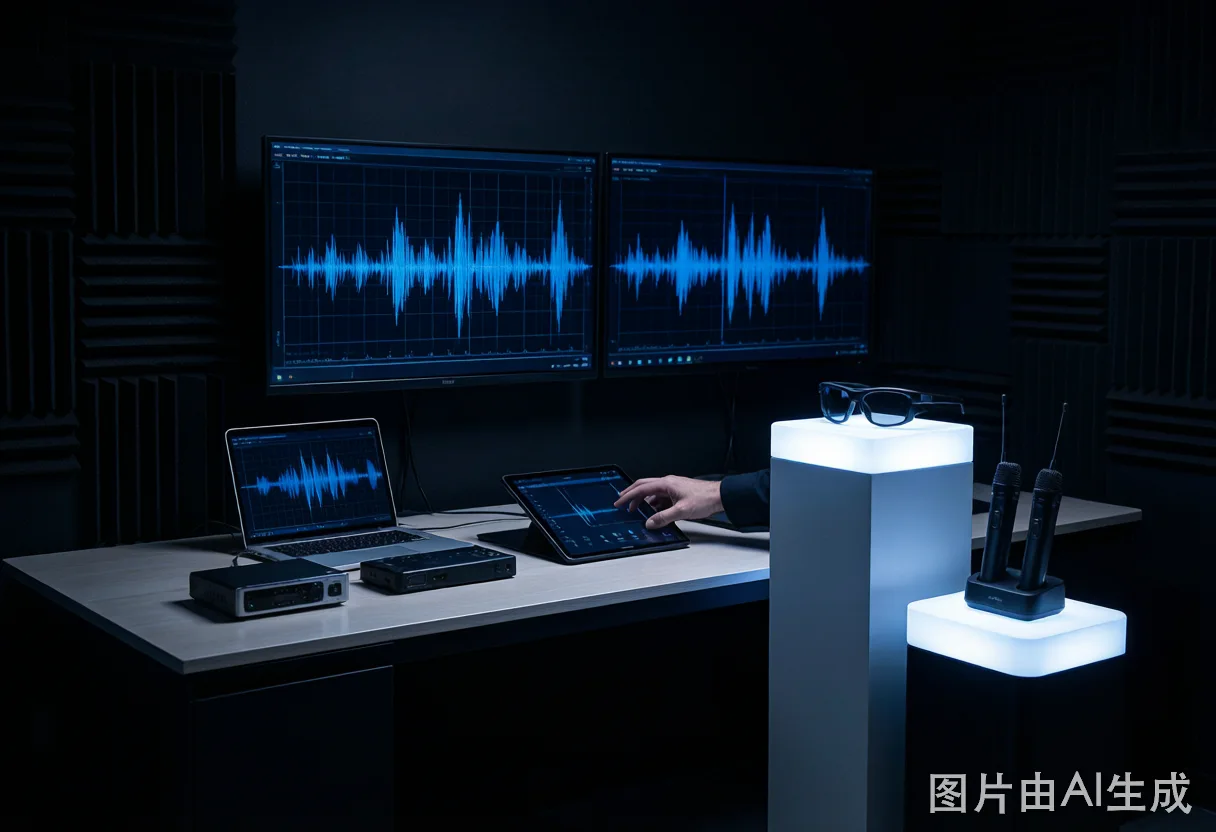
| Audio testing | Anechoic box, analyzers, calibration | In date |
| Battery handling | Isolated aging and grading rooms | Ventilated |
| IQC, IPQC, OQC | First-article and patrol records | Every 2 hours |
| Traceability | Product to material batch lookup | Both directions |
Capacity Calculation and Ramp Capability
Capacity comes from bottleneck stations, not business cards. TWS lines of 25-35 people run at 18-30 seconds per unit on the slowest station, yielding 1,100-1,800 units per line daily at 95 percent yield; numbers far above that imply outsourcing. Ramp matters more than peak: from 5,000 first units to 50,000 monthly takes 6-10 weeks, and yield below 85 percent in week two signals immature processes.
MOQ, Sampling Lead Time, and Quote Structure
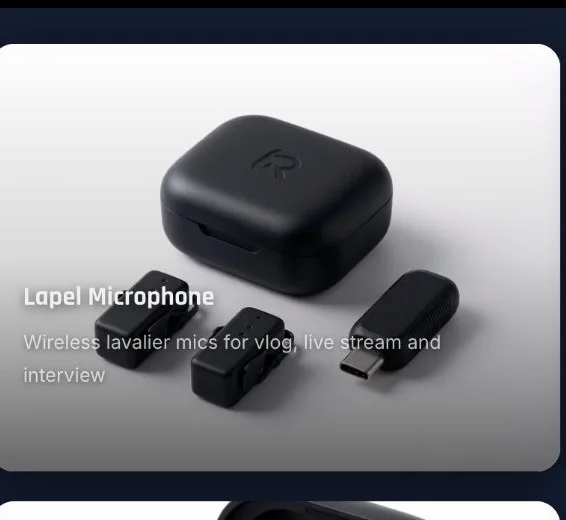
MOQ is a function of changeover cost, since each switch needs 2-4 hours of reloading, fixtures, and first articles. Typical custom MOQs: TWS and lavalier microphones at 1,000-3,000 units, smart glasses at 2,000-5,000 pairs, and portable speakers at 1,000-2,000. Sampling runs 7-12 days for color changes, 15-25 days for driver or battery swaps, and 35-50 days for new tooling. Demand quotes split into BOM, labor and depreciation, testing and certification amortization, packaging, and margin.
Quality Control: IQC, IPQC, OQC
Quality control is three independent gates. IQC checks speakers, batteries, PCBA, and structure, with battery resistance and grading per lot and speakers sampled at AQL 1.0 on response and impedance. IPQC runs first-article sign-off and 2-hour patrols on glue, solder, torque, and welds. OQC samples per AQL, typically 0.65 functional and 1.0-2.5 cosmetic, and all gates must trace by batch number within 24 hours.
Contract Terms and Partnership Risks
Contracts carry the real risk. Define tooling ownership with transfer rights after payment, quote validity of 30-90 days with adjustment triggers beyond 5 percent on batteries and chips, batch-defect definitions above 3 percent with cost responsibility, IP boundaries under NDA, and delivery counting from deposit confirmation with weekly delay penalties of 0.5-1 percent capped at 5-10 percent.
Why Choose Aurora Sound
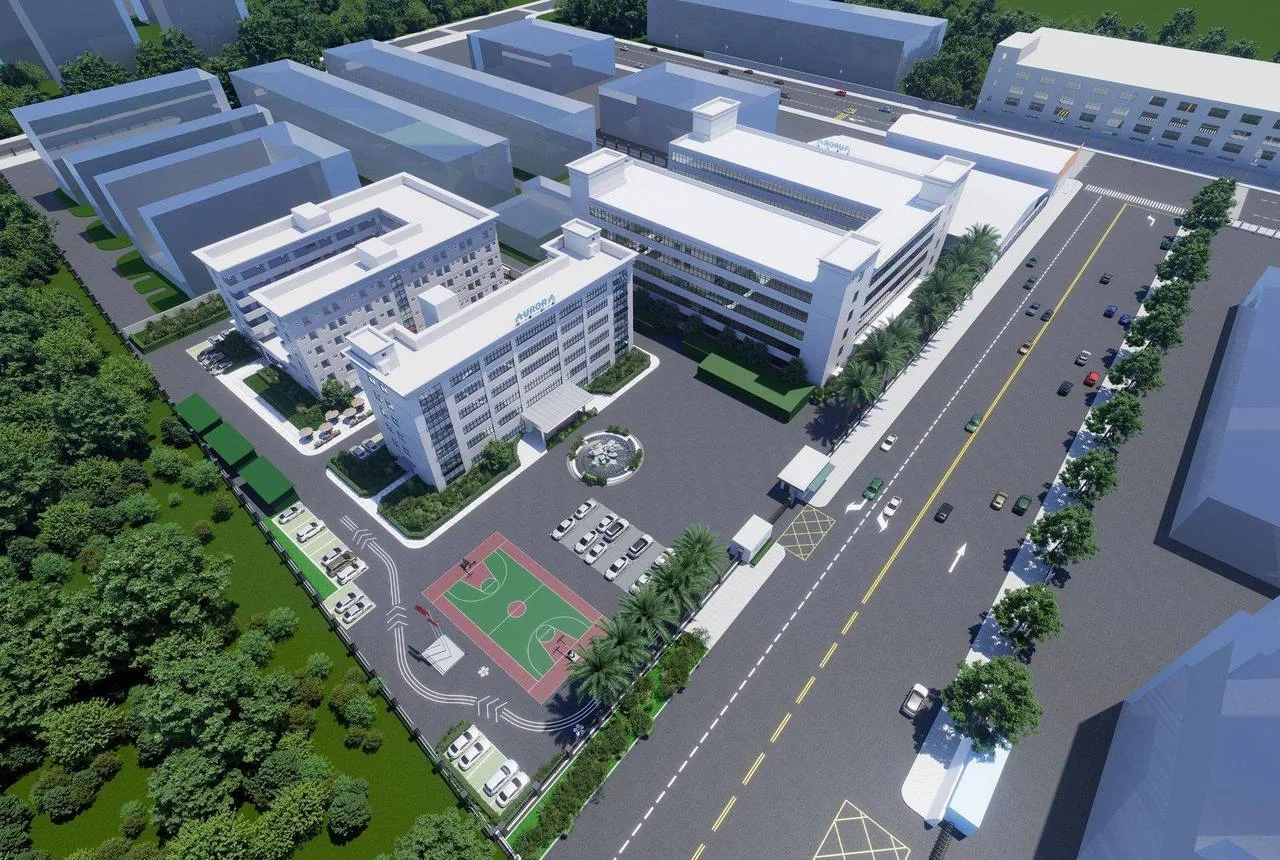
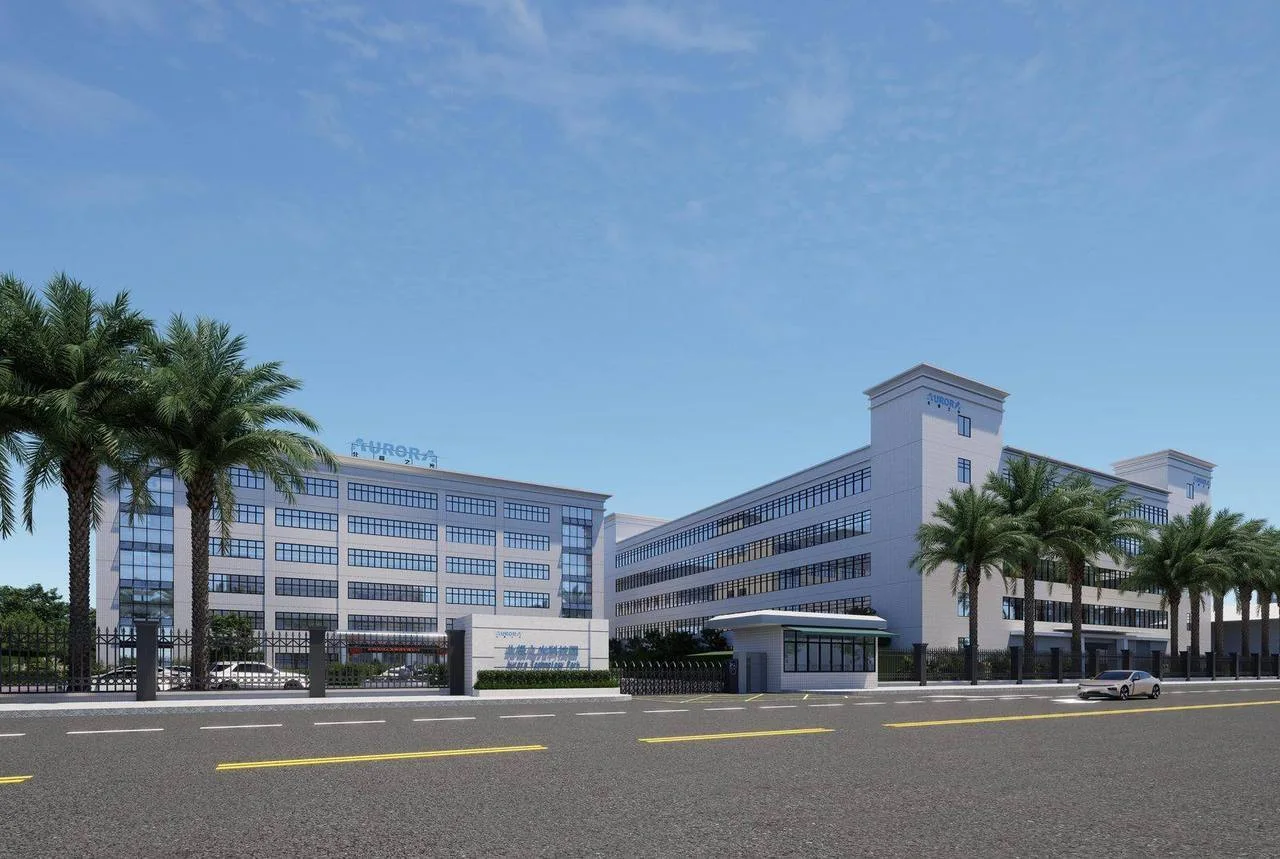
Aurora Sound is a Shenzhen-based OEM/ODM manufacturer with its own lines covering smart audio glasses, wireless lavalier microphones, under-pillow speakers, voice amplifiers, karaoke, open-ear headphones, TWS, and portable speakers, from platform recoloring to full ID tooling. Buyers can verify lines and test equipment on site, receive split BOM quotes, agree tooling ownership, and trace batches both ways.