The Certification Matrix by Target Market
Start by splitting each target market into wireless, EMC and safety, chemical, and battery columns. Missing items surface at port clearance, where they cost most. Series applications let similar models share reports when differences are limited to appearance and firmware, pre-certified modules and cells turn two columns into declarations, and certification, nameplate, and packaging model numbers must match.
| Market | Wireless | EMC and safety | Chemical | Battery |
|---|---|---|---|---|
| EU | CE-RED | EN 301 489 | RoHS, REACH | IEC 62133 |
| US | FCC ID | SDoC, UL 62368-1 | Prop 65 | UN38.3 |
| Korea | KC wireless | KC safety | KC RoHS | KC battery |
| Japan | TELEC | PSE | J-Moss | PSE |
European Union: CE-RED, RoHS, REACH
CE-RED under directive 2014/53/EU applies harmonized standards to Bluetooth audio: EN 300 328 for 2.4 GHz radio with EIRP under 20 dBm, EN 62368-1 for safety, and EN 50663 or EN 62479 for exposure, with ear-worn devices assessed under EN 50360 at 2.0 W/kg. Compliance runs testing, reports, a technical file, a signed DoC, and the CE mark under Module A self-declaration. RoHS limits ten substances at 0.1 percent, and REACH SVHC listings update twice yearly.
United States: FCC ID and California Prop 65
Bluetooth products are intentional radiators under 47 CFR Part 15 Subpart C, commonly section 15.247, requiring an FCC ID issued through a TCB after testing emissions, bandwidth, and power density against the 8 dBm/3 kHz DTS limit. California Prop 65 is a right-to-know rule requiring warning labels above safe-harbor levels, and large retailers request assessment reports.
Batteries: UN38.3, IEC 62133, Air and Sea Freight
UN38.3 under the UN Manual of Tests covers eight tests from altitude simulation and thermal cycling to short circuit and forced discharge, needing 20-30 cells and 10-20 packs over 4-6 weeks, and a Test Summary has traveled with every shipment since 2020. IEC 62133-2 covers portable lithium safety and feeds CB conversions to KC and PSE. Freight needs the summary, MSDS, and transport identification, with cells under UN3480 at or below 30 percent charge by air.
Bluetooth: BQB Qualification and SIG Listing
BQB qualification is not law but trademark licensing: any product using Bluetooth technology or branding must be listed with the Bluetooth SIG. The common path reuses a certified module's QDID through a Declaration at 2-4 weeks, while full qualification with radio and protocol testing runs 6-12 weeks and 50,000-150,000 RMB. Declaration fees run about 8,000 USD per model at Adopter level or 4,000 USD with Associate membership, and BQB never replaces FCC or CE-RED.
Timelines, Costs, and Common Rejections
Budget typical timelines: CE-RED 4-8 weeks at 30,000-80,000 RMB, FCC ID 4-6 weeks at 20,000-50,000, RoHS 1-2 weeks, UN38.3 4-6 weeks, BQB via module 2-4 weeks, and KC or TELEC 6-10 weeks. Common rejections include CE marks under 5 mm, missing importer details, model mismatches across report, nameplate, and carton, missing UN38.3 summaries, unlisted Bluetooth marks, spurious emissions, and EMC failures on Class D amplifiers. Submit at DVT and pre-book battery labs.
Why Choose Aurora Sound
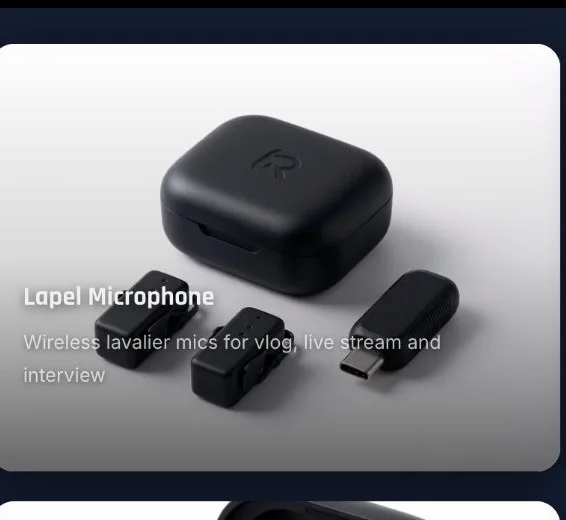
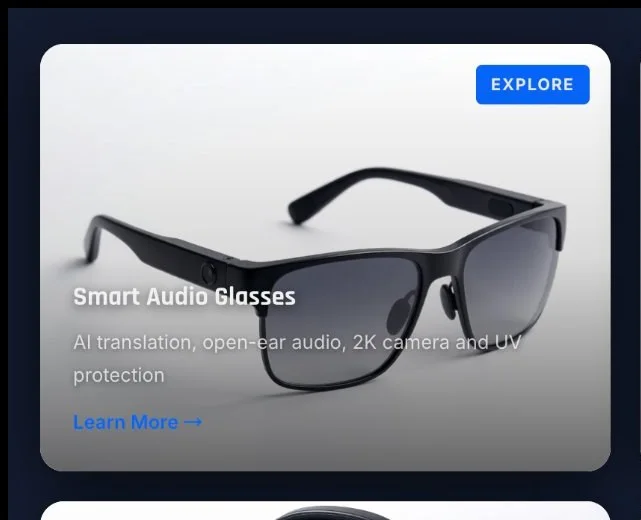
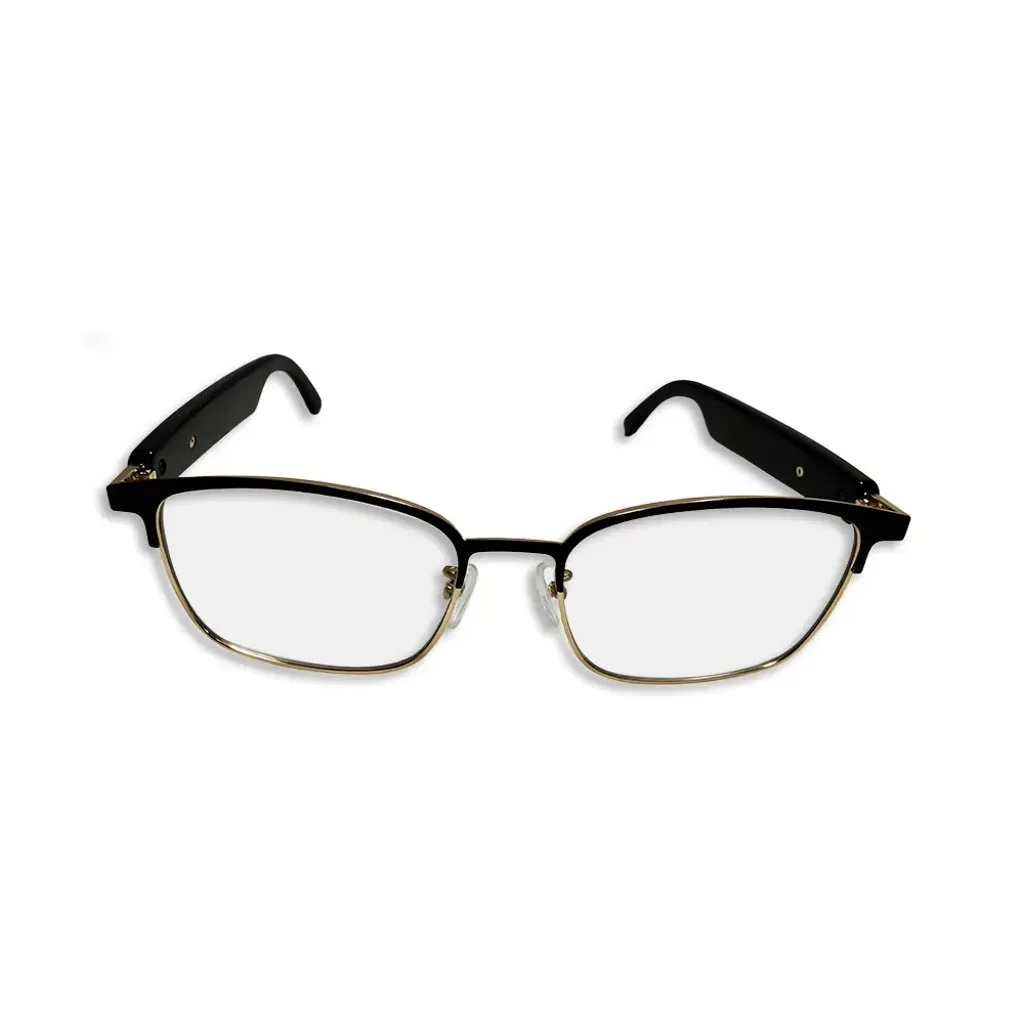
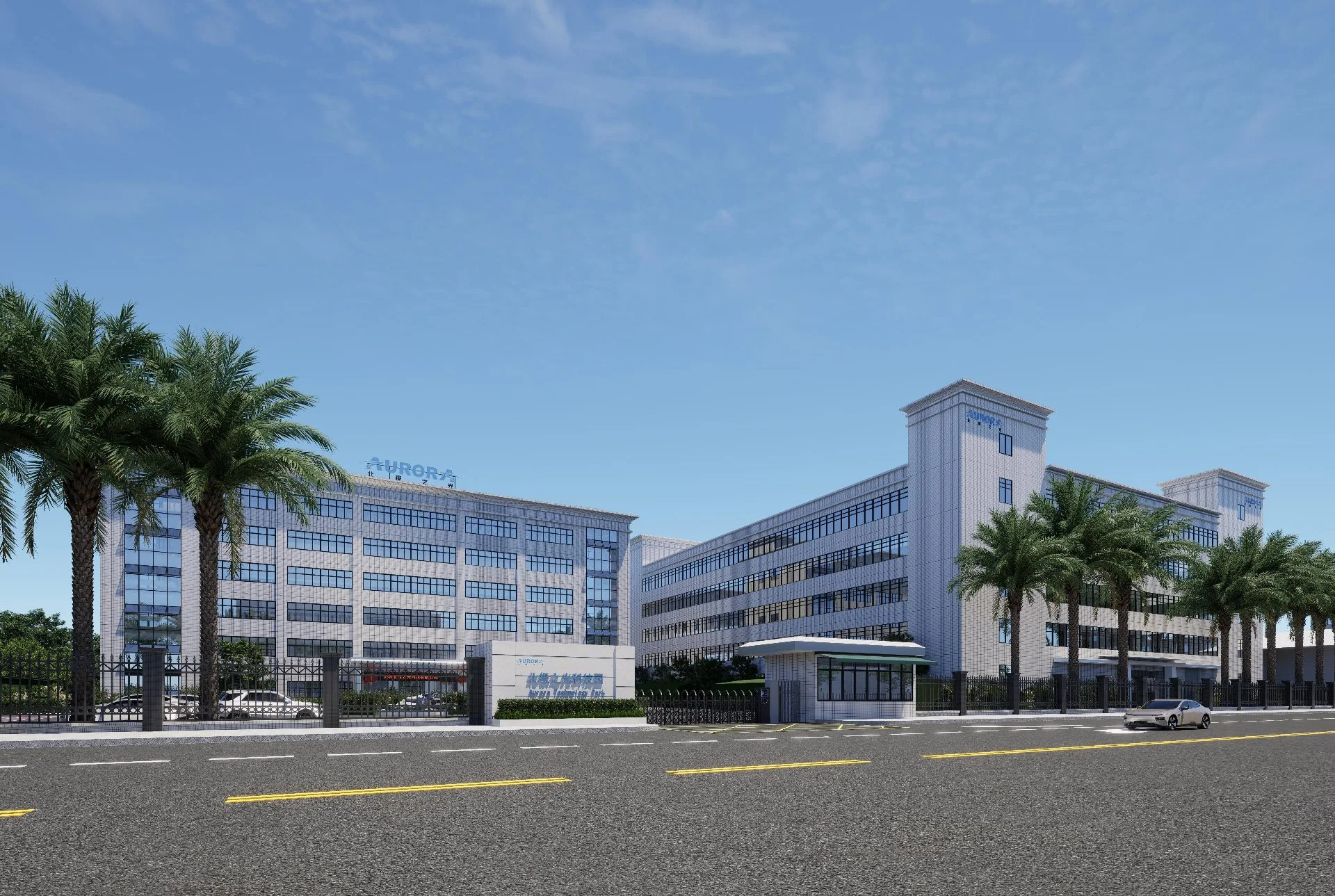
Aurora Sound is a Shenzhen source factory covering smart audio glasses, wireless lavalier microphones, under-pillow speakers, amplifiers, karaoke, open-ear, TWS, and portable speakers. OEM and ODM programs lock compliance strategy at component selection, preferring modules and cells with existing CE, FCC, and UN38.3 files, and engineering reviews carry market-specific checklist items.