What Reliability Testing Manages
Audio complaints split into dead-on-arrival, in-service failures, and cosmetic flaws, and reliability testing targets the second class: performance decay and structural failure across ownership. It answers how long and where, not how good it sounds, giving B2B buyers an objective basis for quality disputes.
| Failure | Root cause | Verification |
|---|---|---|
| One-sided silence | Cold solder, driver drift | Vibration plus thermal cycling |
| Button failure | Silicone and dome fatigue | Button life testing |
| Charging failure | Port wear, battery decay | Insertion plus cycling |
| Cracked housing | Brittle material, stress | Drop and shock |
Drop, Vibration, and Mechanical Shock
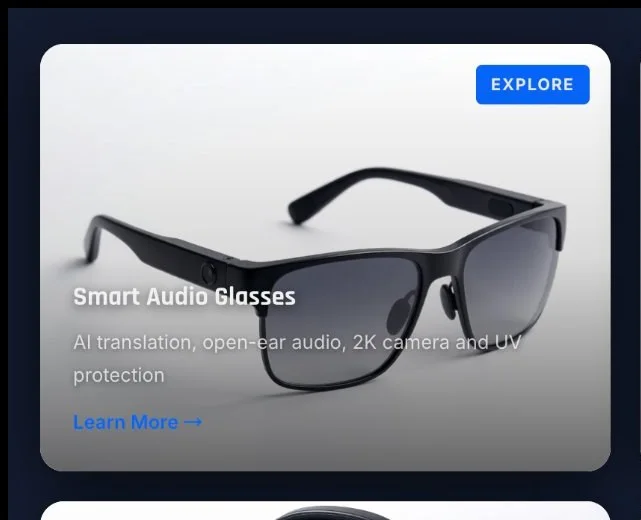
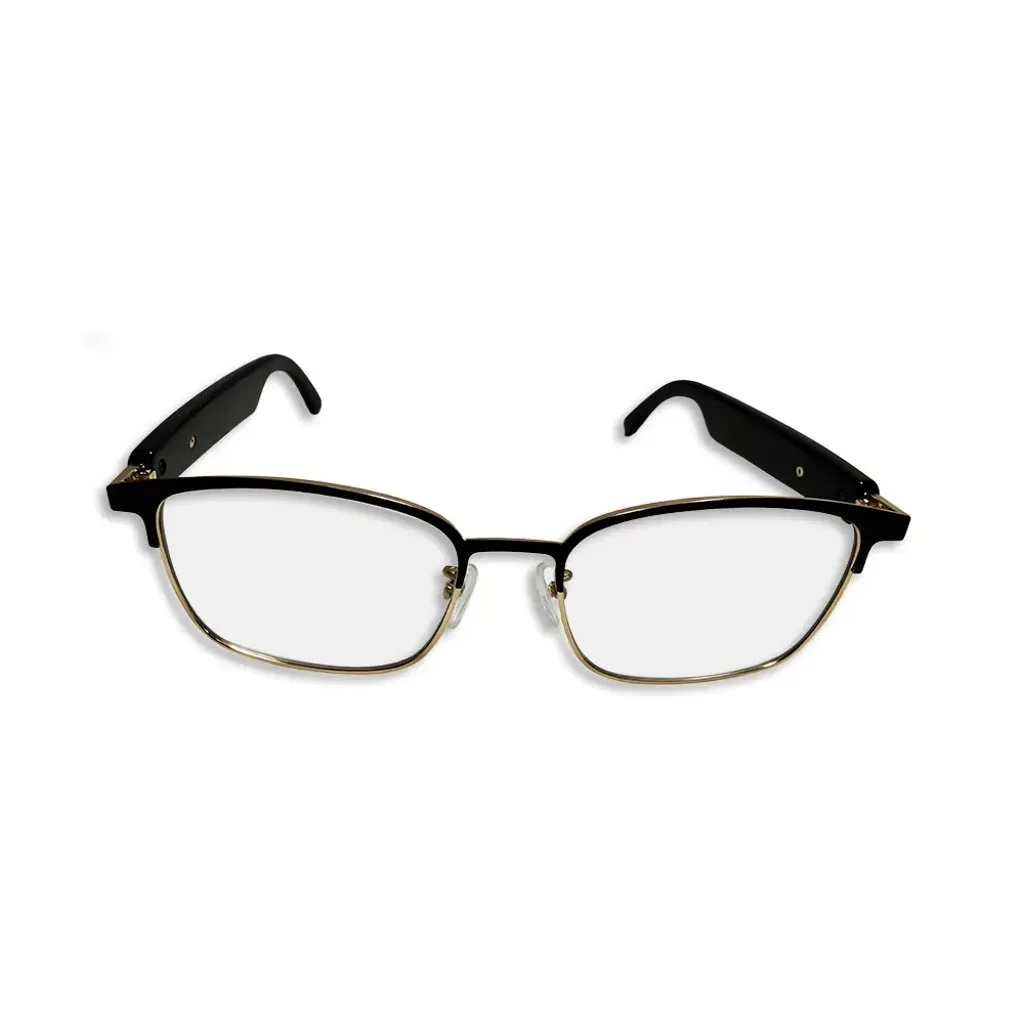
Drop heights follow weight and use under IEC 60068-2-31: TWS earphones with cases drop 100-120 cm onto concrete in six orientations, speakers under 1 kg drop 80-100 cm, 1-3 kg units 50-80 cm, smart glasses 100-150 cm, and amplifiers 50-100 cm. Packed drops step from 80-100 cm below 10 kg to 60-80 cm above. Vibration sweeps 10-55 Hz at 0.35-1.5 mm on three axes for 30-60 minutes, accepting function, scuffs without cracking, and no battery displacement.
High and Low Temperature, Humidity, Salt Spray
Consumer audio stores at -20 to 60 degrees Celsius, outdoor to -30 to 70. Typical runs: 48-96 hours of temperature storage, 10-30 cycles between extremes, 96-240 hours at 40 degrees and 93 percent humidity, and 24-96 hours of 5 percent salt spray at 35 degrees judging red rust. Salt spray duration should match plating specs, since thicker plating costs far exceed longer test benefits, and humidity hits seals hardest, so under-pillow HY05 verification extends to 240 hours.
Button, Connector, and Cable Lifespan
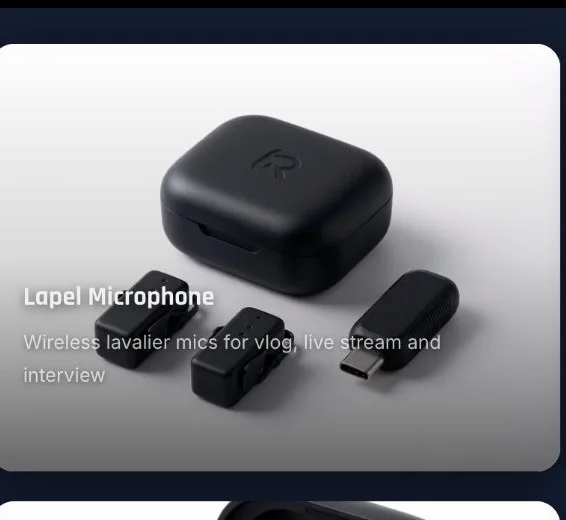
Button life must match product lifecycles: TWS and lavalier microphone buttons run 50,000-100,000 cycles, while amplifier buttons and knobs demand 100,000-200,000. Set force at 1.5-3.5 N, 70-100 percent travel, and 20-60 cycles per minute, accepting force decay within 30 percent without sticking. Connector life: USB-C at 5,000-10,000 insertions, 3.5 mm jacks at 3,000-5,000, and charging case lids at 10,000-30,000. Cable swing tests hang 200-500 g at 60 degrees for 3,000-10,000 cycles.
Battery Cycling and Safety Tests
Lithium batteries concentrate failure risk. Cycle testing runs 300-500 cycles accepting capacity retention at or above 80 percent, with 0.5-1C rates at 25 degrees; 1C cycling reads pessimistic but screens cell lots better. Safety tests verify protection tripping on overcharge, overdischarge, and shorts, thermal abuse at 130 degrees for 30-60 minutes without fire, crush per IEC 62133, and altitude simulation at 11.6 kPa for air freight. UN38.3 summaries complete shipping readiness.
AQL Sampling and Outgoing Inspection
AQL sampling under ISO 2859-1 sets how many to draw and how many defects to allow: criticals at zero acceptance, majors at 0.65-1.0, and minors at 1.5-2.5. For a 5,000-unit lot at level II and AQL 0.65, sampling draws 200 units with acceptance 3, and two rejections in five lots trigger tightened inspection. Audio lines also run 100 percent checks on power-on, pairing, channel balance within 2 dB, and microphone level, intercepting most DOA returns.
Why Choose Aurora Sound
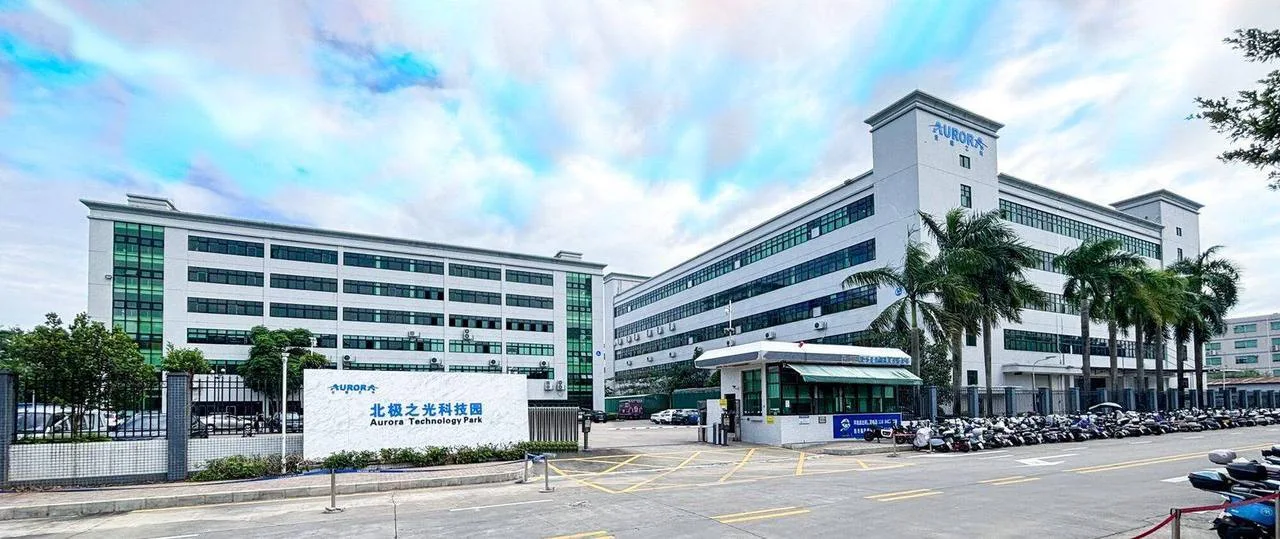
Aurora Sound is a Shenzhen source manufacturer for smart audio glasses, wireless lavalier microphones, under-pillow speakers, amplifiers, karaoke, open-ear headphones, TWS, and portable speakers. In-house labs cover drop, vibration, thermal cycling, humidity, salt spray, button and insertion life, and battery cycling with batch-archived data supplied with shipment reports, and third-party tests run with design files ensuring report-to-sample consistency.